No surprises. The price we quote is the price you pay.
Low-Pressure Service
We recommend what you need — never what you don’t.
Community Roots
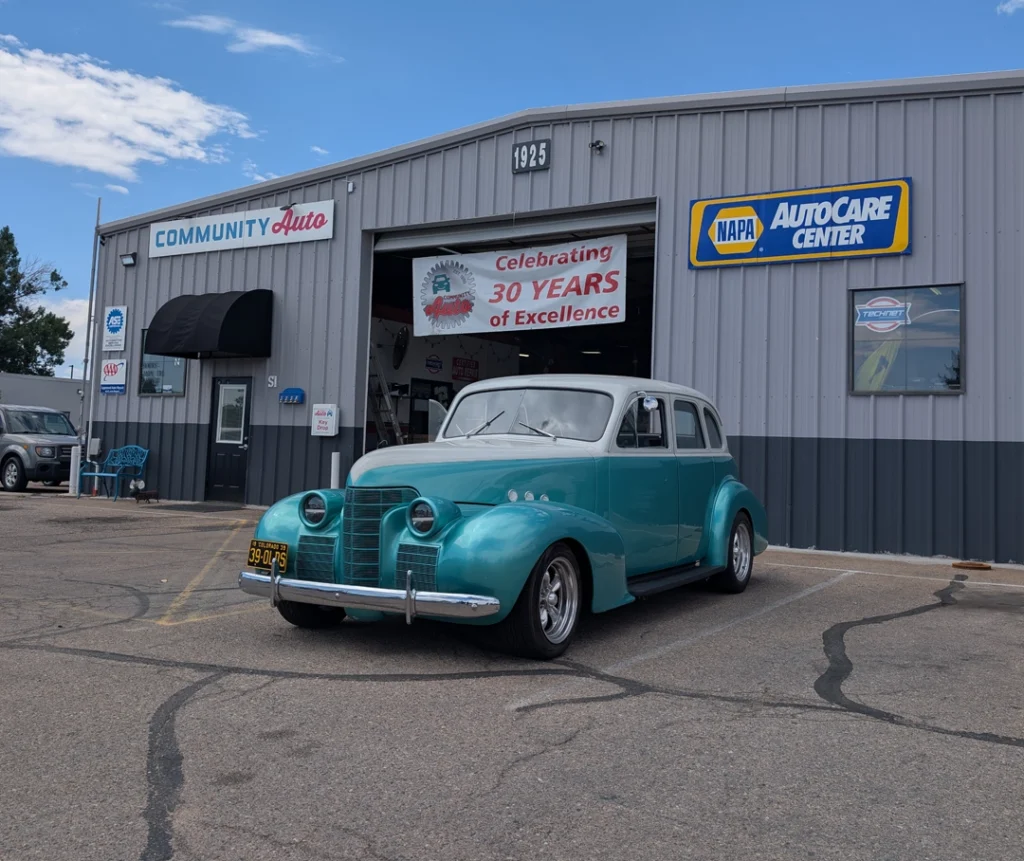
Locally owned and serving our neighbors since 1995.
Certified & Trusted
AAA, NAPA, and BBB-backed work you can rely on.
What Our Customers Say
Hundreds of 5-star reviews
On Google, CarFax, and Nextdoor.
★ ★ ★ ★ ★
Trustworthy shop with very helpful staff. Took my car to get inspected after the Ford dealership diagnosed an issue with a strut bushing previously replaced by Community Auto. The diagnosis of the dealer was found to be incorrect and the actual cause of the noise occuring was determined to be the steering rack for which no service was required. The inspection provided had a great outline of how the conclusion of the inspections were reached making me confident in the findings. Furthermore, they did not charge me for inspection of their previous work and didn’t provide any additional charges for actually locating the cause of the issue.
Daniel
Google Review
★ ★ ★ ★ ★
Great auto shop with friendly technicians. I have had service on two vehicles at this shop and have totally been satisfied with their work to get my vehicles on the road in good shape. I thoroughly enjoy engaging conversation of service being done and problems they are pursuing. Their shop is very clean and orderly, including the floors. While repairs to vehicles are expensive these days they certainly are competitive with the “big guys shops and certainl a lot more pleasant!
Maggie
Google Review
★ ★ ★ ★ ★
This place is absolutely the best! I moved to Fort Collins 1-1/2 yrs ago and was so lucky to find this garage for all my car service needs! Friendly efficient staff, top-notch mechanics, easy in and out and fast service! Family-owned biz with honest people who give a detailed estimate and detailed report of service that tells you what was done, what should be done soon and what they’ll keep an eye on for the future. Great pricing. I’ve been ripped off by service garages in the past elsewhere ~ this place can be trusted! Bring your car here and you’ll never be disappointed!
Donna
Google Review
AAA Approved
NAPA AutoCare
BBB Accredited
CarFax Top Rated
Nextdoor Fav.
Business of the Year
About Community Auto
Care that goes beyond the repair
“We’re meant to serve people — through auto repair and genuine care.”